
Description
Panel Bending Machine
Overview
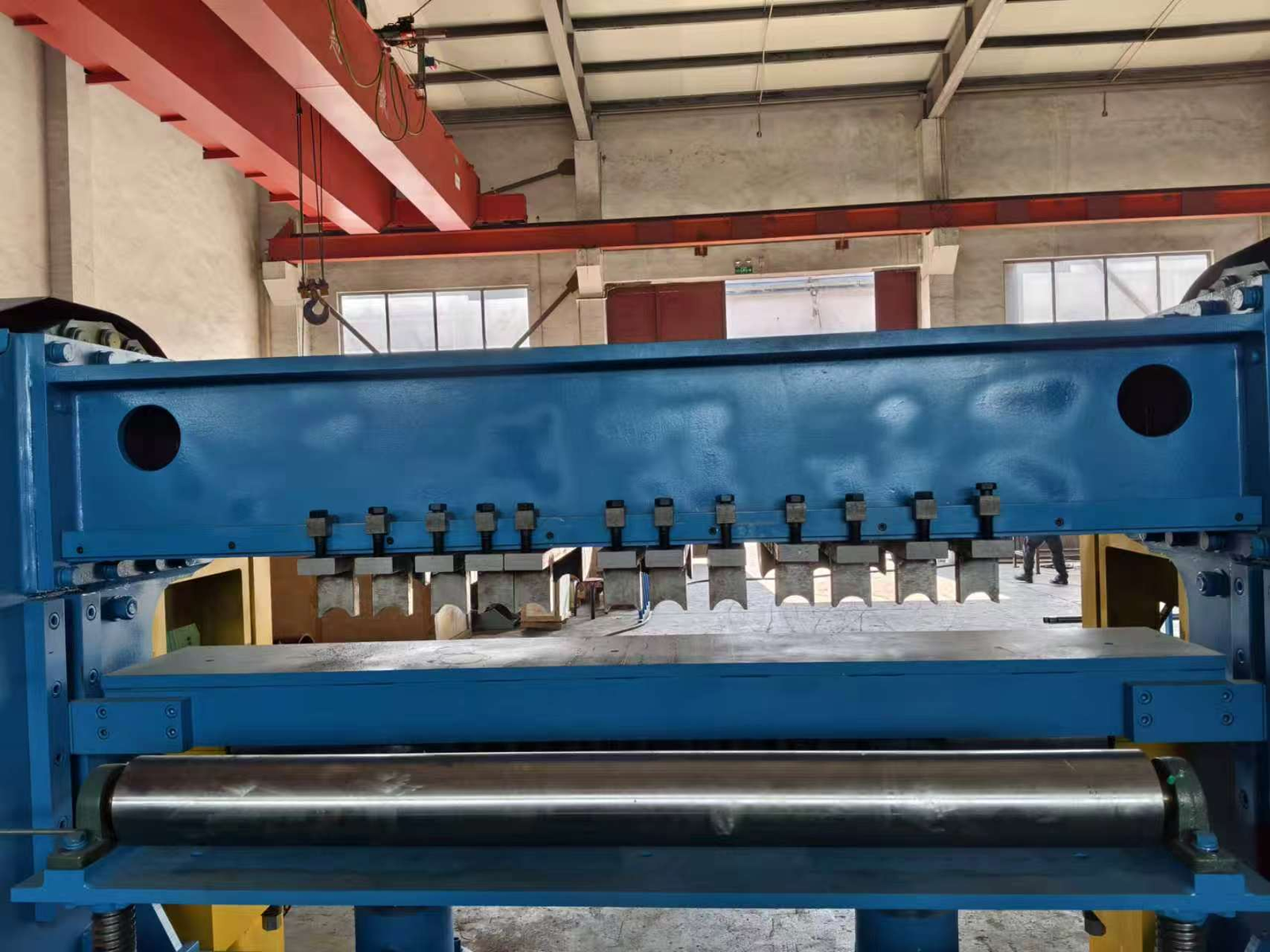
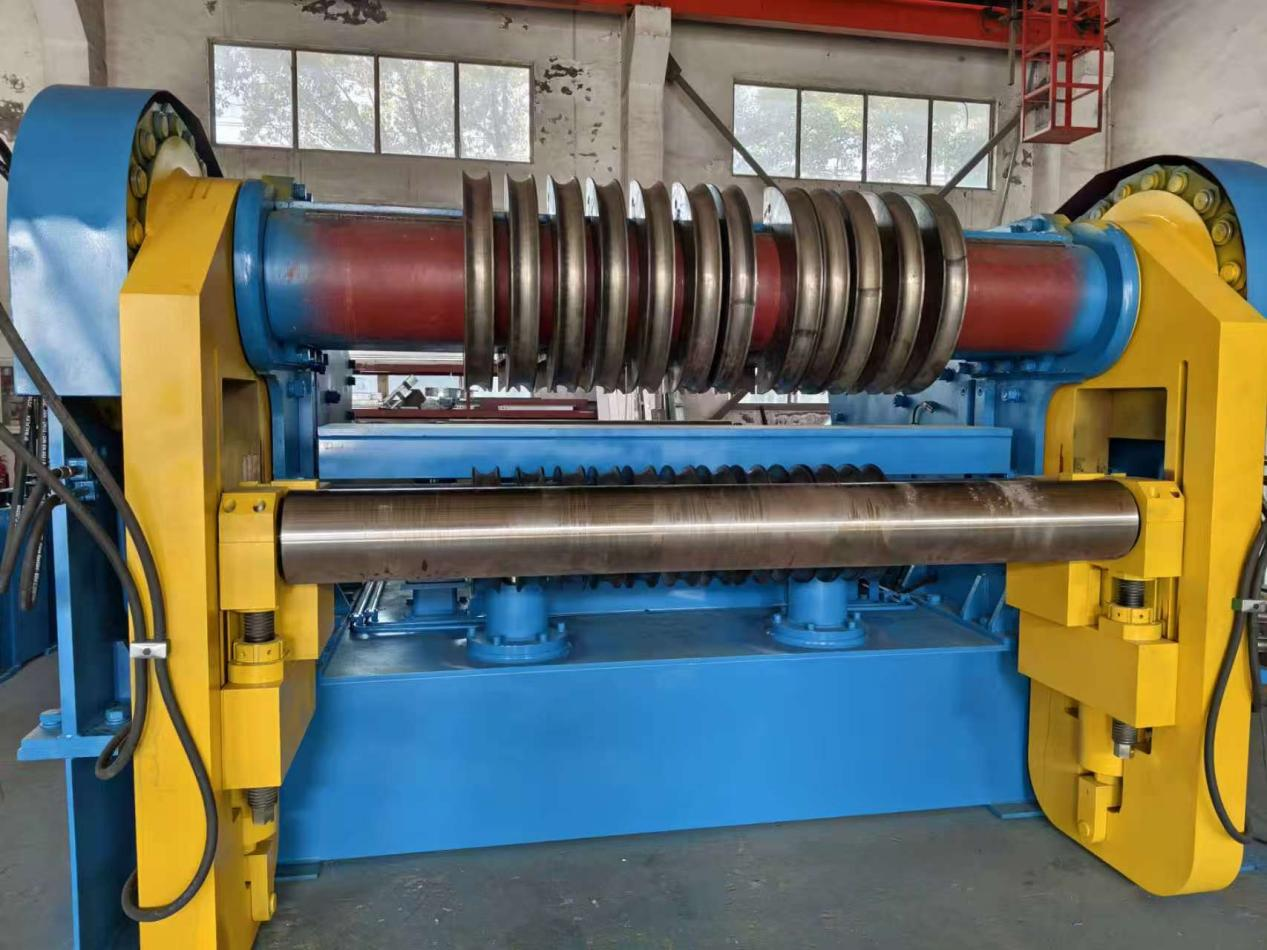
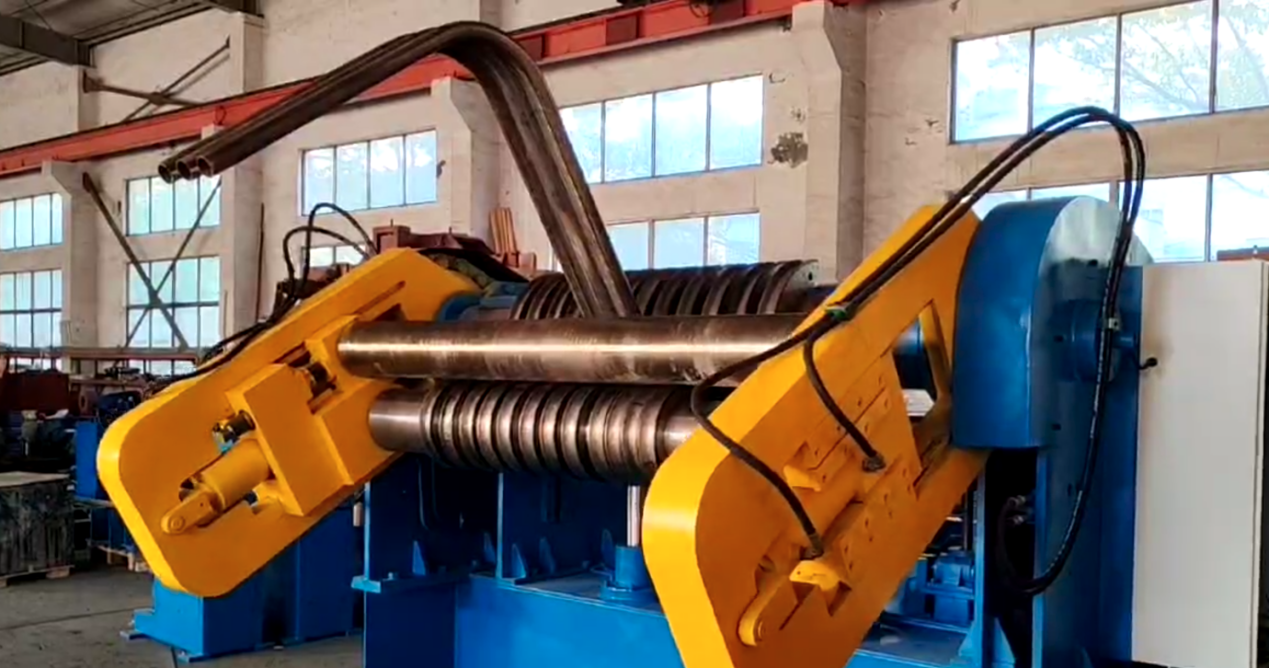
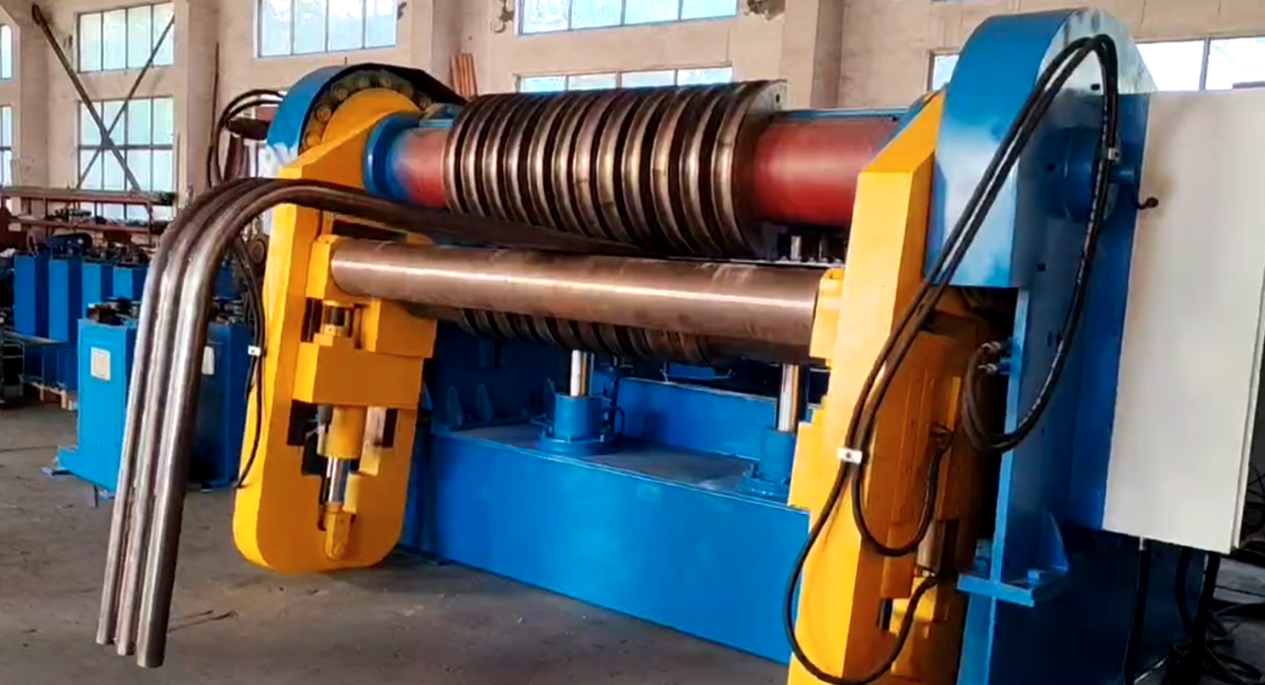
In modern sheet metal fabrication, the panel bending machine is a cutting-edge automated device specifically designed for the high-precision folding and forming of various metal panels. Unlike traditional press brakes that rely on punch-and-die tooling, this equipment adopts an advanced clamp-and-swing bending principle, integrating full-electronic servo drives, intelligent CNC control, and quick tool change systems to deliver more efficient and stable processing performance. Simply put, it is a core asset for enterprises seeking high-quality, cost-effective, and flexible production, and it is widely used across all industrial sectors.
From a technical standpoint, our panel bending machines offer strong adaptability to a wide range of metal materials, including common mild steel, aluminum alloy, stainless steel, as well as custom special alloys such as Inconel and titanium—effectively catering to the personalized forming needs of different industries. Its core advantages include ultra-high positioning accuracy, rapid tool changes, full-process automation, and energy efficiency; practically speaking, these features can significantly reduce labor costs, minimize material waste caused by manual operations, and boost production efficiency. Whether for small-batch custom production or large-scale mass manufacturing, it handles the task seamlessly.
In terms of structural design, the machine’s frame features a thickened arch structure that undergoes precision machining and dual heat treatment (tempering and annealing), ensuring high rigidity and stability even during long-term high-intensity operations. Additionally, the user-friendly HMI (Human-Machine Interface) is designed for ease of use, simplifying parameter setting and program adjustment to greatly shorten the training cycle for new operators. This allows enterprises to commission the equipment quickly, thereby enhancing their core competitiveness in the market.
CNC Bending Process
The CNC bending process of a panel bending machine is a highly intelligent and streamlined workflow consisting of 5 key steps. From a technical perspective, this scientific process design ensures seamless connection between each stage—from material feeding to finished product output—while maintaining consistent processing accuracy. Below is a detailed breakdown of each step.
- Program Design and Parameter Configuration: Operators input key processing parameters—including bending angle, radius, sequence, and material thickness—into the CNC control system via the HMI. The system is equipped with professional offline programming software that simulates the bending process in advance, displays processing steps graphically, and supports real-time parameter adjustments. For complex multi-angle bending parts, the software automatically optimizes the bending sequence to avoid process interference, and it is easy to operate once you are familiar with it.
- Material Loading and Precision Positioning: The metal panel is transported to the designated processing position by an automatic loading device or robotic arm. The high-precision backgauge system—equipped with advanced sensors and servo motors—ensures the panel’s positioning error is controlled within ±0.01mm, laying a solid foundation for precise bending. Meanwhile, the blank holder device clamps the panel firmly to prevent displacement during bending, a key factor in ensuring consistent bending accuracy.
- Automated Bending Execution: The CNC system sends precise control signals to drive the servo motor and bending mechanism, enabling flexible upward and downward folding. The bending angle can be adjusted between 0-360° with an angle tolerance of ±0.5°, which is more precise than traditional equipment. During operation, the system monitors bending force and angle in real time, automatically compensating for material elastic rebound to ensure the final bending angle fully meets design specifications.
- Tool Change and Parameter Adjustment: Our panel bending machines are equipped with an advanced automatic tool clamping and positioning system, allowing for quick tool changes without manual adjustment. Unlike traditional press brakes that take hours to change tools, our equipment completes tool changes and parameter adjustments within 10-30 minutes—significantly reducing downtime and improving production continuity, a major advantage for workshop operations.
- Finished Product Unloading and Quality Inspection: After bending is completed, the automatic unloading device transports the finished product to the designated storage area. Operators only need to conduct spot checks against preset quality standards to ensure the product’s size, angle, and surface quality meet requirements. The entire process is highly automated, requiring only one operator for supervision, which effectively reduces labor intensity and human error.
Models & Specifications
We offer a comprehensive range of panel bending machine models to meet the processing needs of different industries and production scales. The table below details the key technical parameters of our best-selling models, including bending length, maximum thickness, power, and overall dimensions. We also provide customized model development services for special production requirements; for more detailed technical parameters, please refer to the Spec Sheet within the UVP Module.
| Model | Bending Length (mm) | Max Bending Thickness (mm) | Bending Angle Range (°) | Max Bending Speed (s/bend) | Total Power (kW) | Axis Positioning Accuracy (mm) | Equipment Dimensions (mm) | Equipment Weight (kg) |
| PB-1400 | 1400 | 1.0 (Stainless Steel); 1.5 (Mild Steel) | 0-360 | 0.3 | 48 | ±0.01 | 3200×1600×2100 | 6200 |
| PB-1800 | 1800 | 1.0 (Stainless Steel); 1.6 (Mild Steel) | 0-360 | 0.3 | 58 | ±0.01 | 3900×1900×2600 | 9800 |
| PB-2200 | 2200 | 1.2 (Stainless Steel); 1.8 (Mild Steel) | 0-360 | 0.3 | 78 | ±0.01 | 5300×2700×3350 | 16500 |
| PB-2600 | 2600 | 1.2 (Stainless Steel); 1.8 (Mild Steel) | 0-360 | 0.3 | 80 | ±0.01 | 5800×3100×3450 | 19500 |
Note: All parameters are for reference only. In practical applications, actual parameters can be adjusted to meet your custom production requirements. If you need the full version of the Spec Sheet, please contact our sales team, who will provide it to you promptly.
Bending Radius & Capacity
From a technical perspective, bending radius and processing capacity are key indicators that determine the application scope of a panel bending machine and the quality of processed products. Our equipment is equipped with a flexible adjustment function that accommodates different bending radius requirements while ensuring the metal material does not crack or deform during forming—effectively improving the product qualification rate, a key concern for any workshop.
Bending Radius: Technically, the minimum bending radius of the machine is determined by the type and thickness of the processed material. Below is a general reference standard to help you select the optimal bending radius for your production needs: Mild Steel (A36, 1018): 0.9t-1.6t (t = material thickness); Aluminum (6061-T6): 1.1t-2.6t; Stainless Steel (304, 316): 1.6t-3.2t. Our equipment supports a maximum bending radius of 55mm, flexibly handling both small-radius precision parts and large-radius curved panels.
For instance, a 2mm thick aluminum panel performs best with a 3.2mm (1.6t) bending radius—this effectively prevents material cracking and ensures a smooth bending surface, a practical detail critical for improving product quality.
Bending Capacity: Professionally, the processing capacity of the machine is reflected in its maximum bending length, thickness, and bending force. Our product line covers bending lengths from 1400mm to 2600mm, with maximum bending thicknesses of 1.8mm (mild steel) and 1.2mm (stainless steel)—essentially meeting the processing needs of most industrial metal panels.
Each model is paired with a corresponding maximum bending force to provide stable support for thick plate bending, ensuring accurate angles and consistent forming results. With a maximum continuous bending speed of 0.3 seconds per bend, the equipment efficiently completes large-batch production tasks and enhances production efficiency.
For detailed bending radius parameters corresponding to different materials and thicknesses, refer to the Bending Radius Chart within the UVP Module, which clearly lists all parameters for on-site reference.
Applications
With its advantages of high precision, high efficiency, and strong flexibility, our panel bending machines are widely used in metal panel processing across key industrial sectors, becoming an indispensable part of the modern manufacturing chain. Below is a detailed examination of the main application fields.
- Electrical and Electronic Industry: It is mainly used in the bending of electrical enclosures, control cabinets, server racks, and distribution boxes. The high precision and consistency of the equipment ensure a tight fit for assembled parts, effectively enhancing the quality and safety of electrical products and meeting strict industry requirements.
- Construction Industry: It is suitable for bending building facade panels, ceiling panels, structural components, and door and window frames. The equipment processes large-size panels with high precision, adapting to diverse architectural design needs and enhancing both the aesthetics and structural stability of buildings.
- Automotive Industry: It is used for bending automotive chassis parts, EV battery casings, body panels, and internal decorative panels. Its high level of automation meets the large-batch production needs of the automotive industry, while the precise bending effect ensures the safety and reliability of automotive parts.
- Aerospace Industry: It is used in the processing of complex ducts, brackets, and enclosures for aerospace equipment. The high positioning accuracy and stable bending performance meet the strict quality standards of the aerospace industry for metal parts, ensuring the reliable operation of aerospace equipment.
- Energy and Shipbuilding Industry: It is suitable for the bending of boiler membrane walls, heat exchanger panels, and shipbuilding bulkheads. The equipment’s heavy-duty design handles thick metal panels, ensuring the strength and durability of products in harsh working environments such as high temperatures and high pressures.
- Custom Fabrication Industry: It is ideal for the processing of custom art installations, architectural decorative elements, and special-shaped metal parts. Its flexible configuration meets the personalized bending needs of various special projects, helping customers realize unique design ideas.
FAQs
Q1: What types of metal materials can the panel bending machine process, and what is the applicable thickness range?
A1: Our panel bending machines can process a variety of metal materials, including mild steel, aluminum alloy, stainless steel, galvanized steel, and custom special alloys (such as Inconel and titanium). The applicable material thickness ranges from 0.4mm to 1.8mm, essentially covering the processing needs of most industrial fields, so compatibility is guaranteed.
Q2: Is professional training required to operate the panel bending machine?
A2: Yes, professional training is recommended. While our equipment is equipped with a user-friendly HMI and intelligent control system, operators still need to master basic operations such as parameter setting, program editing, tool changes, and daily maintenance to ensure safe and efficient operation. We also provide comprehensive on-site training services to help your team quickly master operating skills.
Q3: Can the equipment handle complex bending shapes such as multi-angle and arc bending?
A3: Absolutely. Our panel bending machines are equipped with a multi-axis CNC control system and a flexible bending mechanism, which flexibly complete complex processing tasks such as multi-angle continuous bending, arc bending, and dead edge bending. The intelligent programming software automatically optimizes the bending sequence to avoid interference, ensuring the accuracy and consistency of complex part processing.
Q4: How long does it usually take to change the tool of the panel bending machine?
A4: Our equipment is equipped with an automatic tool clamping and positioning system that enables quick tool changes. Under normal circumstances, tool changes and parameter adjustments can be completed within 10-30 minutes—much faster than traditional press brakes—greatly reducing downtime and improving production continuity.
Q5: What after-sales services do you provide to ensure the stable operation of the equipment?
A5: We offer a full suite of after-sales support services, including on-site equipment installation and commissioning, operator training, regular maintenance and inspections, supply of original spare parts, and 24-hour technical consultation. Our professional after-sales team responds quickly to resolve various operational issues, ensuring stable equipment operation and minimizing downtime.
UVP Module
- Spec Sheet: From a technical perspective, it contains detailed technical parameters, configuration information, performance indicators, installation requirements, and maintenance standards for all models. As a technical reference document, it helps you fully understand the equipment’s performance and characteristics, enabling you to make scientific and rational purchasing decisions. Please contact our sales team to obtain the full version of the Spec Sheet.
- Bending Radius Chart: It clearly lists the minimum and recommended bending radii for different thicknesses of mild steel, aluminum, and stainless steel, along with detailed operation notes. It guides operators to set optimal bending parameters based on material and thickness, avoiding material cracking and product scrapping, and effectively enhancing processing quality and efficiency. The chart can be downloaded for on-site reference by operators.
Reviews
There are no reviews yet.