
Description
Rotary Welding Positioner
In the modern industrial sector, from automotive assembly lines and construction equipment factories to marine shipyards, the rotary welding positioner is an indispensable industrial device that enhances welding quality, boosts operational efficiency, and ensures worker safety. Simply put, this specialized equipment is designed to securely fasten workpieces, then rotate and tilt them to the optimal welding angle—it eliminates the tiring, uncomfortable postures welders often endure, reduces rework caused by inconsistent angles, and guarantees uniform, high-quality weld seams for every project. Whether you’re working with small precision components or large, heavy-duty industrial parts, this page delivers in-depth professional insights to help businesses select the right equipment and effectively optimize their welding processes.
What Is a Rotary Welding Positioner?
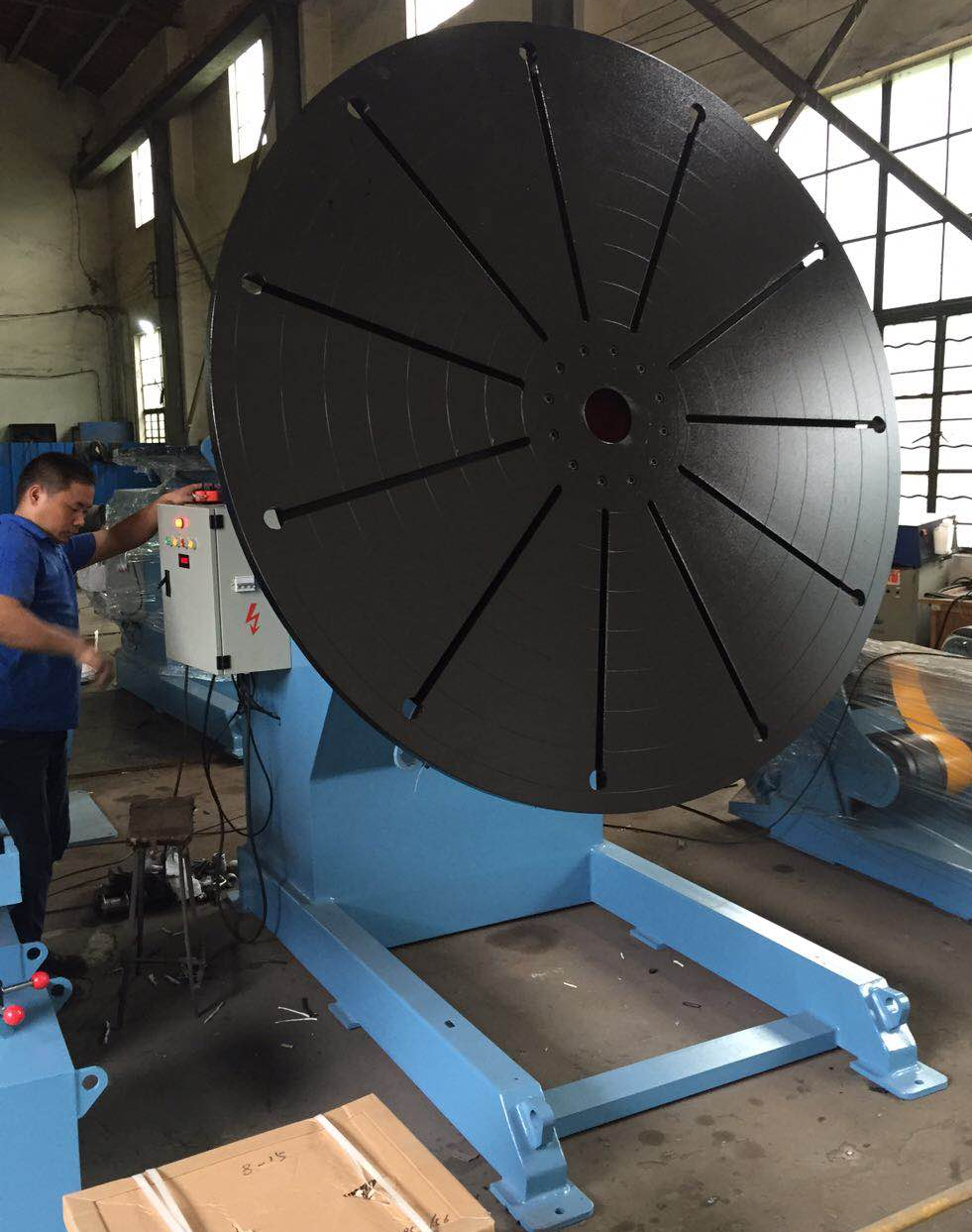
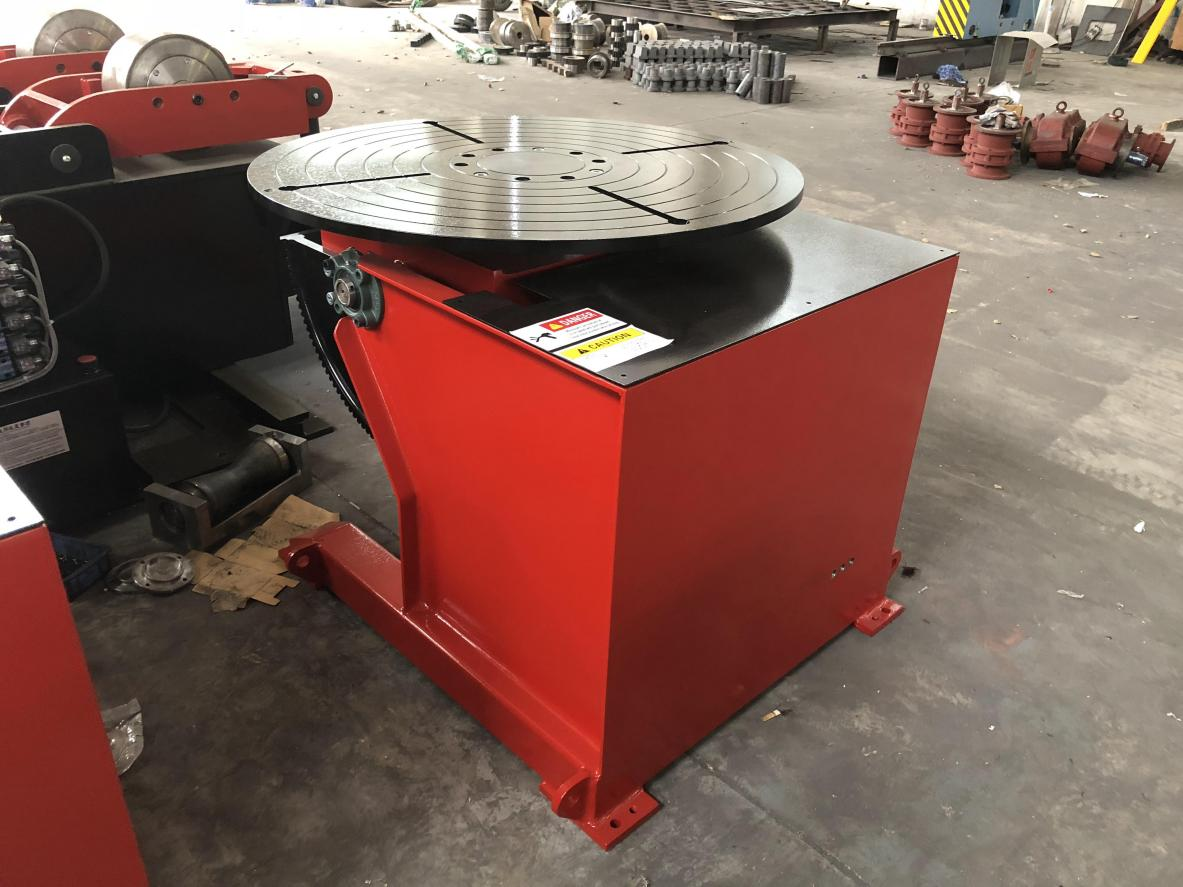
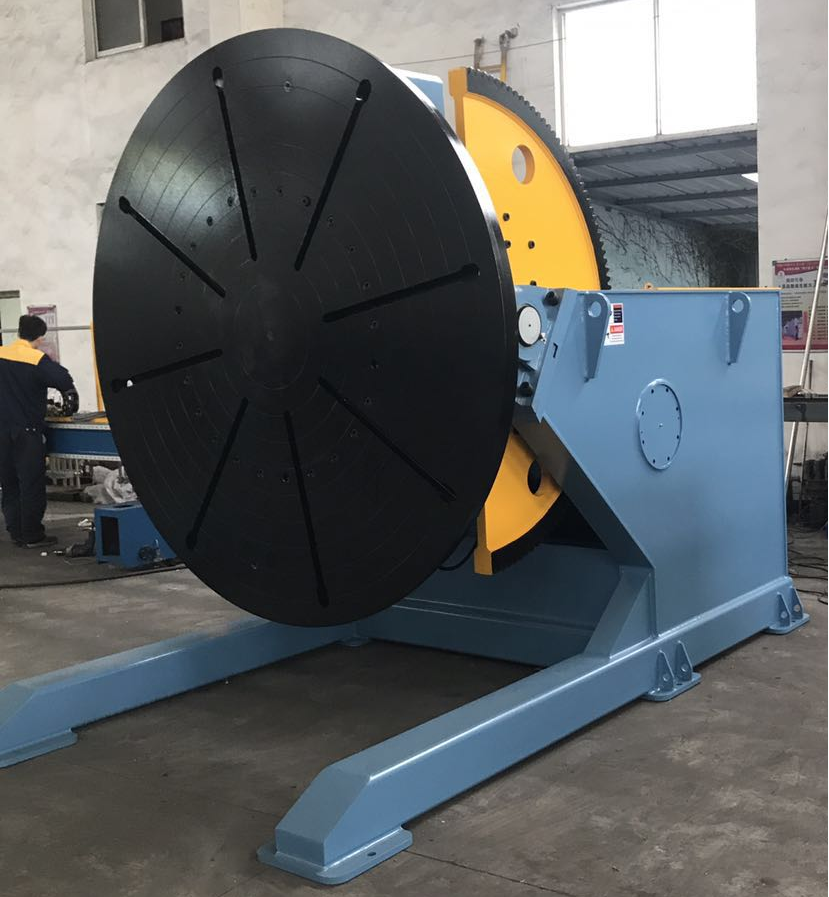
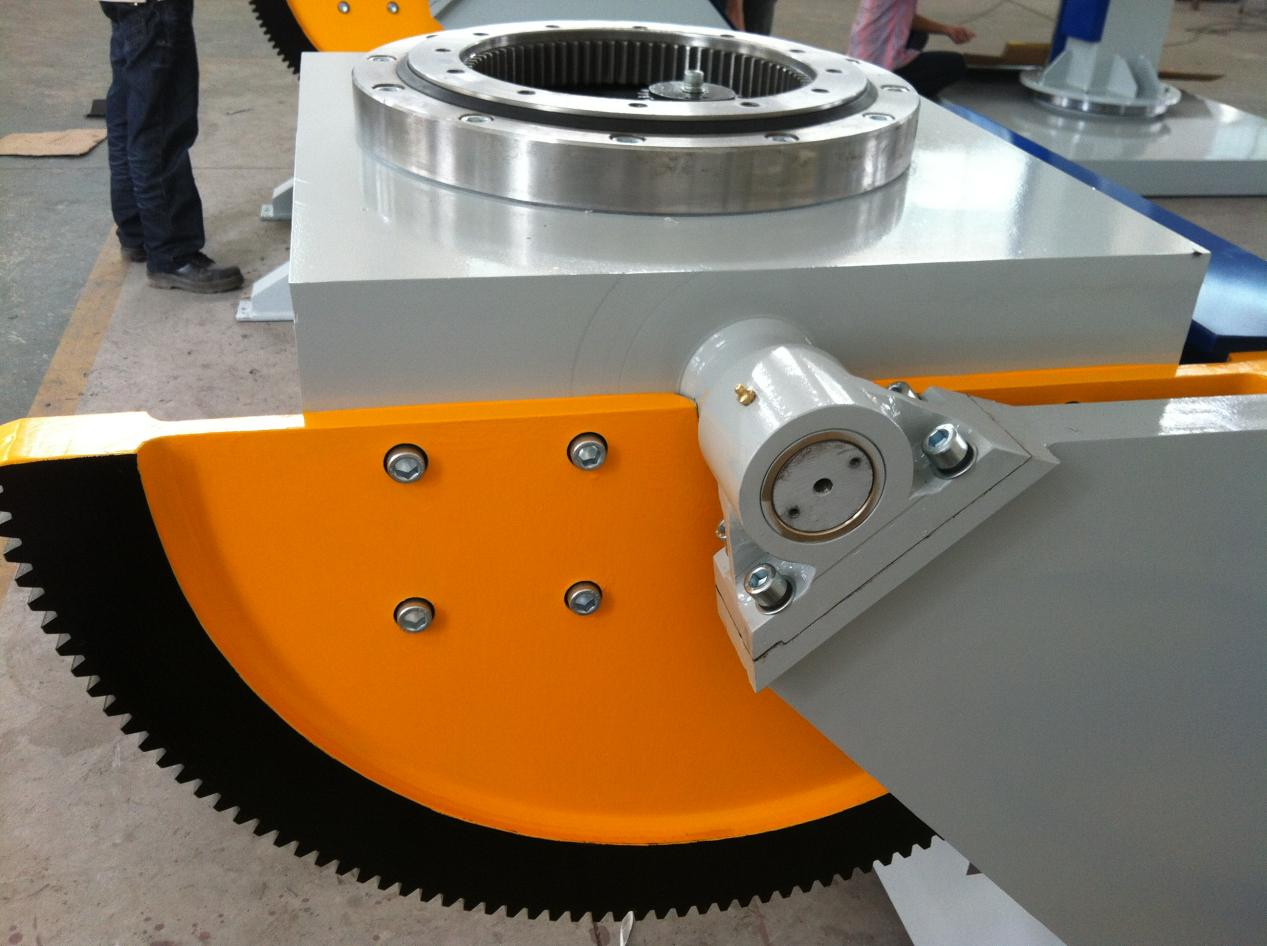
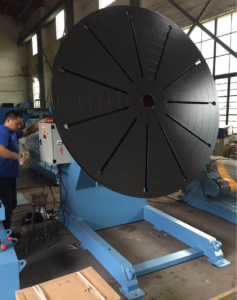
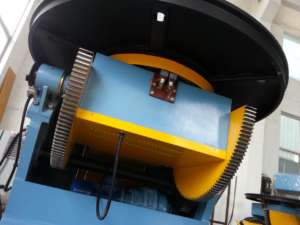
A rotary welding positioner is a specialized industrial device integrating workpiece clamping, rotation, and tilting functions, designed to optimize the welding process by adjusting workpieces to the ideal position. Unlike manual adjustment— which relies entirely on welders’ physical effort and often results in inconsistent weld angles—it automatically presents weld seams in a flat or horizontal state, the most effective and reliable orientation for achieving high-quality welding. Practically, it addresses key pain points of manual operation, serving as a critical upgrade for welding workflows.
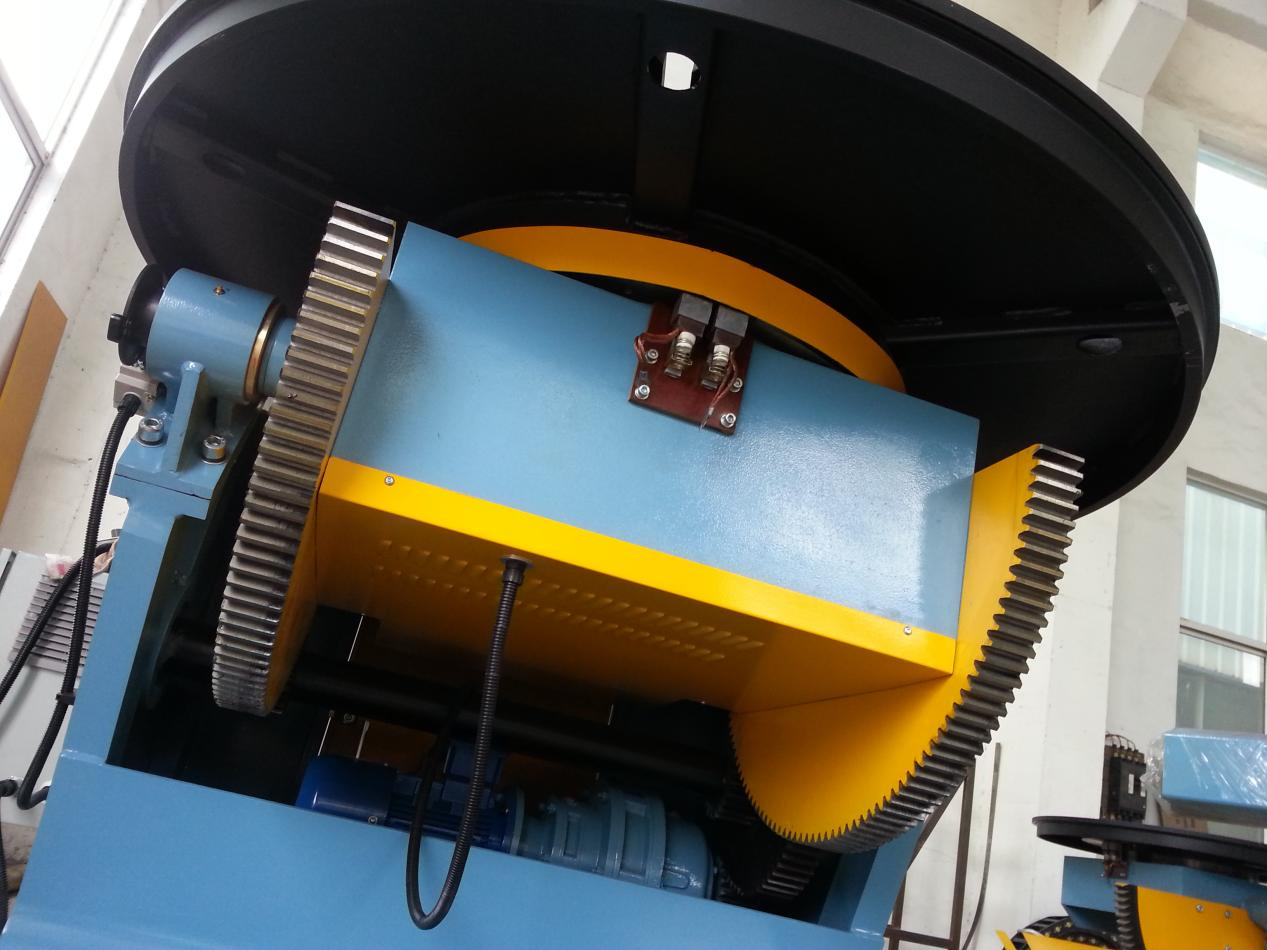
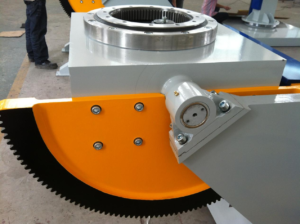
Eliminating manual repositioning significantly reduces welder fatigue, minimizes common welding defects (e.g., porosity, uneven bead formation), and shortens production cycles. Its core components include a rotating workpiece platform, tilt mechanism, drive motor, high-strength clamping system, and control panel. High-end models are equipped with servo control systems and PLC interfaces, enabling seamless integration with robotic welding arms to form fully automated workflows. Categorized into manual (handwheel-operated), semi-automatic (PLC-controlled), and fully automatic (servo-driven) types—each tailored to specific load capacities and application scenarios—these positioners offer higher accuracy than manual welding, ensure optimal access to weld seams, and are compatible with MIG, TIG, plasma, and laser welding equipment, making them highly versatile for welding operations.
Key Features & Specifications
Selecting a suitable rotary welding positioner requires focusing on features that align with your workpiece size, welding technology, and production requirements. Below are the core features and industry-standard specifications to serve as a professional reference for your selection.
Key Features
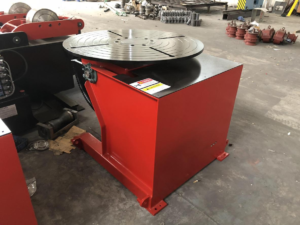
- Accurate Positioning & Stable Rotation: Equipped with high-precision worm gear drives or servo motors, our rotary welding positioners achieve a repeat positioning accuracy of ±0.05mm (for advanced models) and rotate smoothly without vibration. The stepless speed regulation (0.03-30 RPM) allows welders to adjust the rotation speed based on the specific welding process and workpiece size—practical for daily operations and ensuring consistent welding results every time.
- Versatile Tilt Adjustment: Most standard models support 0-90° tilt adjustment, while heavy-duty units can tilt up to 120°, enabling perfect positioning even for large, irregularly shaped workpieces. A built-in self-locking mechanism securely fixes the workpiece during welding, preventing slippage and enhancing operational safety—a key consideration for avoiding safety accidents in practical work.
- Robust Clamping System: Our positioners come with 3-jaw chucks, 4-jaw chucks, or custom fixtures, all constructed from high-strength steel. They firmly clamp workpieces of various shapes and sizes without movement or vibration during rotation. The adjustable clamping range accommodates everything from small precision parts to large industrial components; additionally, optional 6-inch to 12-inch chucks are available to meet your specific needs.
- Workshop-Durable Design: The frame and rotating platform of our rotary welding positioners are made of high-strength carbon steel or cast iron, heat-treated to enhance rigidity and load-bearing capacity. The anti-corrosion surface treatment (either powder coating or galvanizing) resists welding spatter, dust, and harsh workshop environments—ensuring long-term stable equipment operation and reducing later-stage maintenance costs.
General Specifications
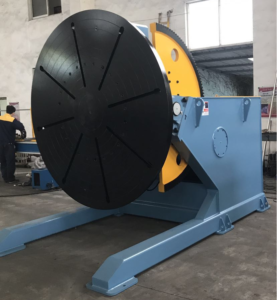
While specifications vary by model, all our rotary welding positioners comply with industry standards for compatibility, performance, and safety. The common specifications of industrial-grade positioners are as follows—these data serve as the key basis for model selection:
- Load Capacity: Ranges from 50kg (light-duty, suitable for small precision parts) to 50,000kg (heavy-duty, suitable for large industrial components). For general industrial use, the most popular models have a load capacity between 100kg and 5,000kg—covering most daily welding needs.
- Table Size: The rotating table diameter ranges from 300mm (for small workpieces) to 2,000mm (for heavy-duty parts). Custom table sizes are available for special requirements.
- Rotation Speed: Steplessly adjustable from 0.03 RPM to 30 RPM. Servo-driven models offer finer speed control, making them ideal for high-accuracy precision welding tasks.
- Tilt Angle: Standard models feature a 0-90° tilt angle, while heavy-duty units offer a 0-120° tilt angle. The self-locking torque ensures the workpiece remains stable during welding, preventing position deviation.
- Power Supply: Compatible with 220V/380V AC, 50/60Hz power sources. Power ratings range from 0.75kW (light-duty) to 15kW (heavy-duty), matching the load capacity and performance requirements of each model.
- Control Mode: Manual (handwheel) models are suitable for small workshops or simple welding tasks; semi-automatic (PLC touchscreen) models are ideal for medium-volume production; fully automatic (servo + robotic integration) models are perfect for high-volume, precision-focused welding operations.
Models & Load Ranges
We offer a comprehensive range of rotary welding positioner models to meet the diverse needs of industrial customers—whether you operate a small precision workshop or a large manufacturing facility, you can find a suitable model. Below is a detailed overview of our most popular models, including their key parameters and applicable scenarios—to help you quickly identify the right model:
| Model | Load Capacity | Table Diameter | Rotation Speed (RPM) | Tilt Angle | Power (kW) | Control Mode | Chuck Type |
| RW-100 | 100kg | 300mm | 0.05-20 | 0-90° | 0.75 | Manual | 3-jaw (6-inch) |
| RW-500 | 500kg | 500mm | 0.03-15 | 0-90° | 1.5 | Semi-automatic (PLC) | 3-jaw (8-inch) |
| RW-2000 | 2000kg | 800mm | 0.03-10 | 0-90° | 3.0 | Semi-automatic (PLC) | 4-jaw (10-inch) |
All models can be fully customized to meet your specific requirements, including table size, clamping system, and control mode. For special heavy-duty applications (over 5,000kg) or precision-focused tasks (such as aerospace or medical equipment welding), our team will provide tailored solutions to ensure optimal equipment performance in your work scenario.
Applications
Rotary welding positioners are widely used in industries requiring high-quality, efficient welding. Their strong versatility makes them suitable for workpieces of different sizes, shapes, and welding processes—let’s explore their specific applications in key industries to help you better understand their practical value:
Automotive Manufacturing
In automotive factories, rotary welding positioners are essential for welding key components such as exhaust pipes, drive shafts, chassis parts, and exhaust manifolds. Their high-precision positioning ensures consistent welding quality, critical for meeting strict automotive safety standards. Our RW-500 model is widely adopted by auto parts manufacturers for exhaust manifold welding—it reduces rework rates by 30% and boosts production efficiency, a tangible benefit for enterprises looking to improve profitability.
Construction Machinery
For construction machinery (e.g., excavators, cranes, bulldozers), rotary welding positioners are primarily used to weld large, heavy components like excavator arms, crane booms, and bulldozer frames. Heavy-duty models (RW-5000 and above) are designed to support high-load workpieces—compared to manual welding, they reduce welding time by 40% and ensure uniform welds on thick-walled structures, addressing the low-efficiency pain point in heavy-duty welding.
Shipbuilding
Shipyards rely on rotary welding positioners to weld ship hull sections, pipe systems, and marine equipment. Their tilt and rotation functions allow welders to access hard-to-reach weld seams, ensuring watertight and corrosion-resistant welds—particularly important for harsh marine environments. Our fully automatic models integrate seamlessly with robotic welding arms, making them ideal for large-scale shipbuilding projects.
Precision Engineering
In the precision engineering industry (e.g., medical equipment, aerospace parts, electronic enclosures), light-duty models like the RW-100 are used to weld small, delicate components. Their high positioning accuracy (±0.05mm) minimizes welding defects, fully meeting the strict quality standards of these industries—after all, precision is the core requirement in this field.
Customer Success Cases
Our rotary welding positioners have helped numerous enterprises across industries improve their welding workflows, reduce costs, and enhance quality. Below are real-world success cases—practical examples to help you intuitively understand the equipment’s actual effectiveness:
Case 1: Global Automotive Parts Supplier
A renowned global supplier of automotive exhaust systems once struggled with inconsistent welding quality and low production efficiency due to manual welding. They purchased 20 units of our RW-500 semi-automatic rotary welding positioners to optimize their exhaust manifold welding process. In just three months, the company achieved remarkable results: production efficiency increased by 35% (from 120 parts per day to 162 parts per day), welding defects decreased by 85% (from 8% to 1.2%), and staff turnover dropped by 20—all attributed to reduced welder fatigue. Additionally, the PLC control system simplified operation, cutting new welder training time in half—a true win-win for efficiency and cost savings.
Case 2: Large Construction Machinery Manufacturer
A major construction machinery manufacturer needed a solution to weld 3,000-4,000kg excavator arms with high precision and efficiency. They selected 8 units of our RW-5000 fully automatic rotary welding positioners, integrated with robotic welding arms. The results exceeded expectations: welding time per excavator arm was reduced from 6 hours to 2.5 hours, welding precision met international standards (eliminating rework entirely), and labor costs were cut by 45%. To date, the equipment has operated stably for three years with minimal maintenance—fully demonstrating the reliability of our products.
FAQs
Below are answers to the most common questions about rotary welding positioners. These professional, practical responses will help you make informed decisions and resolve actual application challenges:
Q1: How do I choose the right rotary welding positioner model for my business?
A: There are four key factors to consider—let’s break it down simply: 1) Workpiece weight: Select a model with a load capacity 1.2-1.5 times the weight of your heaviest workpiece to ensure stable operation; 2) Table size: Match the table diameter to your workpiece size for secure placement; 3) Welding precision requirements: Manual models suit simple, low-precision tasks, while servo-driven models are ideal for precision welding; 4) Workshop space: Choose a model size that fits your available workshop space. If you’re unsure, our technical team can provide customized recommendations based on your specific needs.
Q2: What regular maintenance is required for rotary welding positioners?
A: Regular maintenance is essential to ensure long-term stable equipment operation here are the key steps.
- Lubricate the worm gear and tilt mechanism with industrial-grade lubricant monthly.
- Clean the clamping chuck and rotating table weekly to remove welding spatter and dust, preventing performance issues.
- Inspect electrical connections quarterly to avoid malfunctions; fourth, replace worn parts (e.g., chuck jaws, drive belts) annually. With proper maintenance, our positioners have a service life of 5-8 years—a cost-effective investment.
Q3: Can rotary welding positioners be integrated with robotic welding arms?
A: Absolutely our semi-automatic and fully automatic models are equipped with PLC and servo interfaces. Compatible with most robotic welding arms (including Fanuc, ABB, and KUKA). Our team provides full integration support to help you set up a fully automated welding workflow. Reducing labor costs and improving welding consistency, a trend in modern welding production.
Q4: What is the delivery time and after-sales service for your rotary welding positioners?
A: Let’s start with delivery: standard models have a 7-15 working day delivery time. While customized models take 20-30 working days. For after-sales service, we offer a 1-year free warranty on all models, 24-hour technical support. (via phone, email, or video call). And global on-site maintenance services ensuring minimal equipment downtime and no disruption to your production.
UVP Modules
- Spec Sheet:
Download our detailed spec sheet, which includes complete model parameters, technical drawings. Performance data to help you accurately select the right rotary welding positioner for your business. Simply click here to download. - Application Gallery:
We’ve prepared real-world photos and videos of our rotary welding positioners in operation. Covering the automotive, construction, precision engineering, and other industries. Browse the gallery to see the equipment’s actual application effects.
Reviews
There are no reviews yet.