Description
Robotic Welding Systems
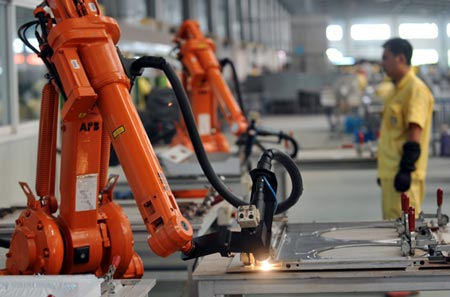
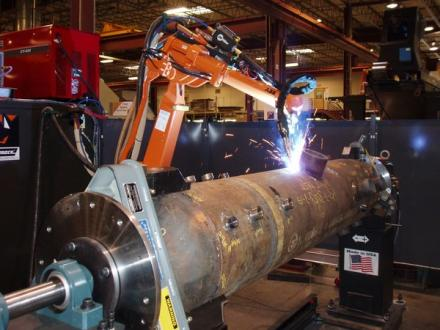
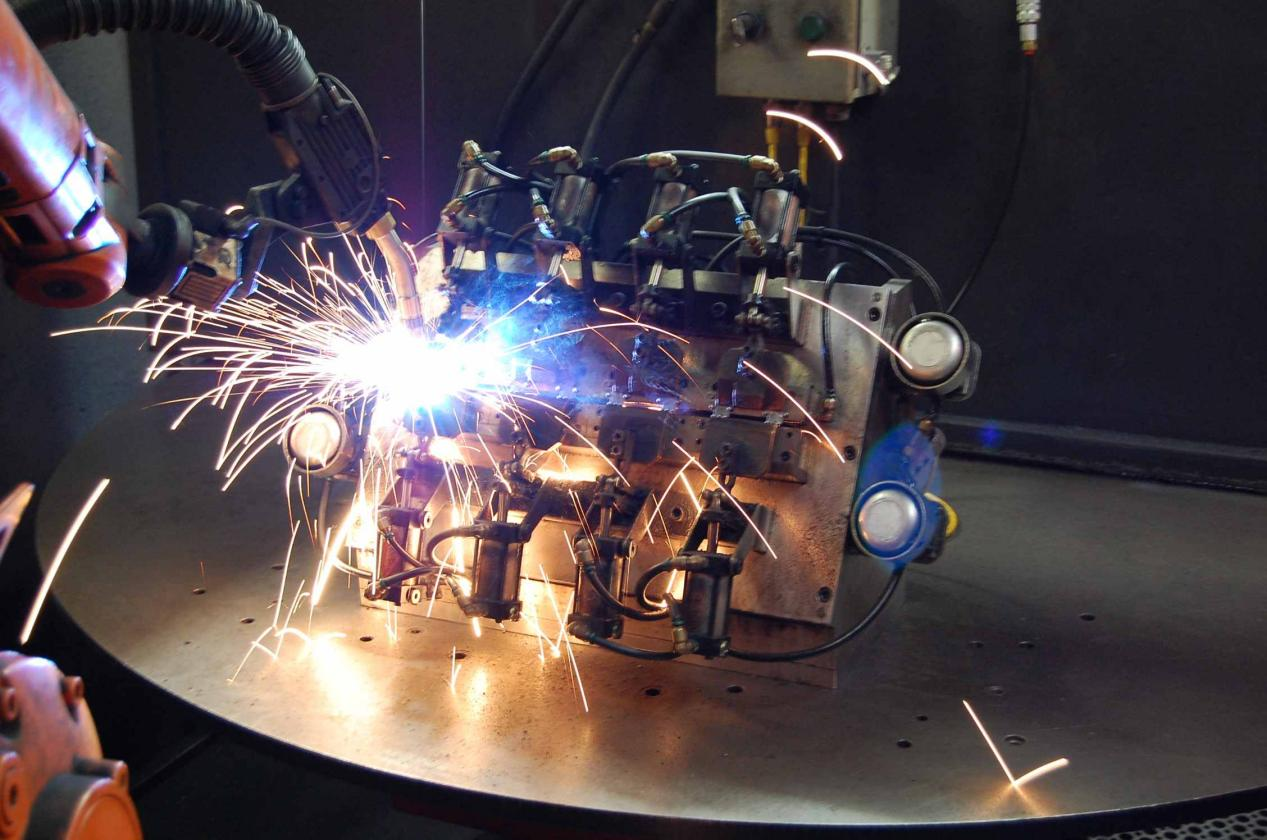
From a technical perspective, ABK Robotic Welding Systems set new standards for manufacturing efficiency with next generation automation. They directly solve key welding challenges: inconsistent quality, high labor demands, and low productivity. Unlike general automation equipment that requires heavy customization, our systems are purpose built for seamless performance, reliable weld quality, and clear cost savings, while adapting to diverse industrial needs.
We provide a complete solution: high-performance hardware (high-torque servo motors, corrosion-resistant welding torches), intuitive software, and full technical support. This makes robotic welding accessible for manufacturers of all sizes, from small workshops to large factories.
Built for versatility and reliability, our systems use industrial-grade components to endure harsh conditions: operating temperatures from −10℃ to 55℃, heavy dust, and vibration up to 0.5g, supporting 24/7 continuous operation. Technically, they feature AI-powered weld quality monitoring (machine vision + real-time electrical analysis), adaptive 3D vision guidance with 0.01mm positioning accuracy, and cloud-based data analytics. These capabilities reduce defects, cut downtime, and enable data-driven optimization.
Whether you aim to expand production, improve weld consistency, or enhance workplace safety, ABK robotic welding systems deliver immediate operational gains and long-term strategic value.
Types of Robotic Welding
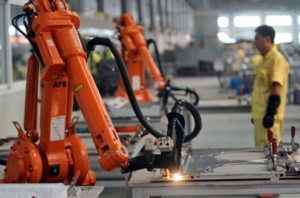
ABK offers a comprehensive portfolio of robotic welding solutions, each engineered to meet specific application scenarios, material properties, and production volume needs. From an industrial perspective, our product range eliminates the need for multiple specialized systems, providing a flexible technical foundation that can grow with your business. Below are the key categories of robotic welding systems we offer, each supported by our industry-leading technical support and engineering expertise, with straightforward explanations for practical reference:
6-Axis Robotic Welding Systems
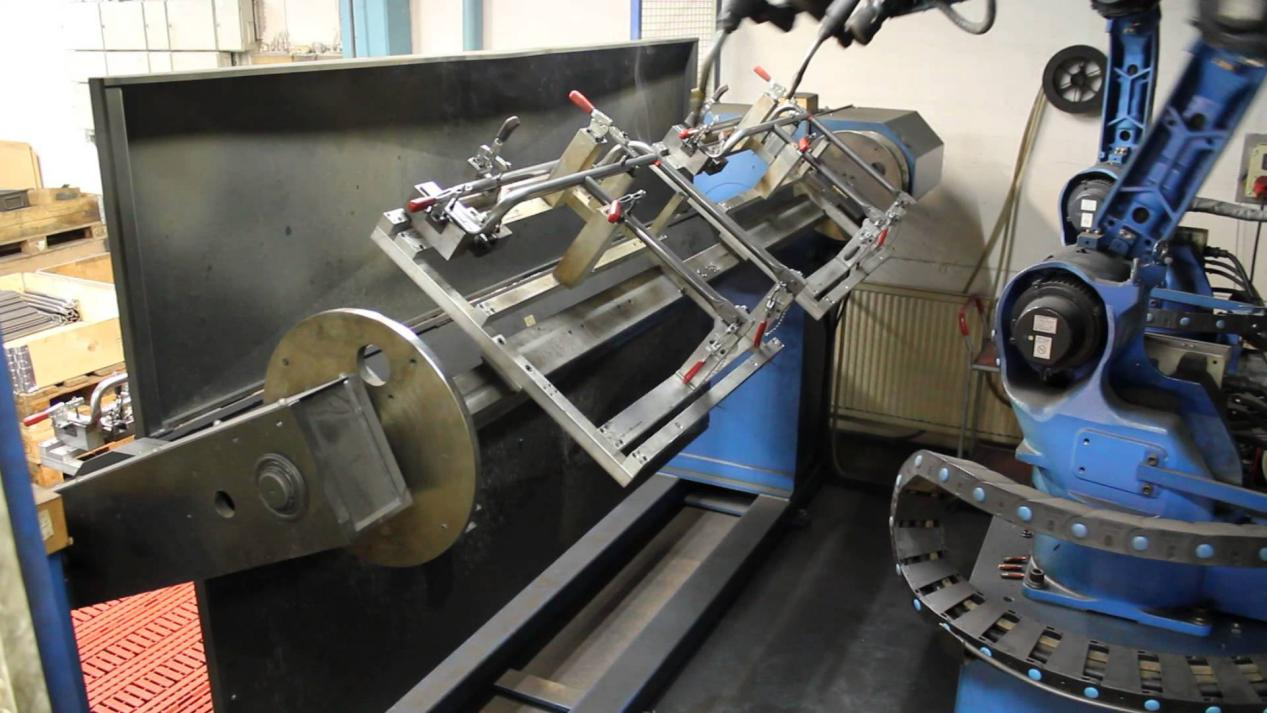
As our flagship product line, the 6-axis robotic welding systems (model series: ABK-6000/6500/7000) deliver exceptional flexibility and positional precision (±0.02mm repeatability), making them ideal for complex, high-precision welding tasks. From a kinematic standpoint, their full range of motion (each axis rotates up to 360°) allows access to hard-to-reach areas of workpieces, facilitates handling of intricate geometric configurations, and supports both high-volume mass production and small-batch custom fabrication. Equipped with advanced motion control technology (PID closed-loop control), these systems ensure consistent weld quality even for the most demanding applications—from automotive structural components to aerospace precision parts—serving as the backbone of high-precision welding operations. Compared to similar industry products, our 6-axis robots consume 15% less energy (rated power ≤5.5kW) and offer 20% faster motion response.
Collaborative Cobot Welding Systems
Engineered for human-robot collaboration (model series: ABK-C300/C500), our cobot systems prioritize safety, compactness, and ease of programming—making them an excellent fit for small to medium-sized enterprises (SMEs) or workcells that require human oversight and intervention. Technically, these systems include built-in safety features (force sensing with a 5N response threshold and emergency stop buttons) that allow them to operate alongside human operators without bulky safety barriers, making them suitable for mixed-production environments and tasks that require frequent process changeovers. With intuitive hand-guiding programming and a compact footprint (4.2m² for the ABK-C300), our cobots significantly reduce operator training time and operational complexity, requiring no specialized coding skills. Compared to competitors’ cobot products, our systems have a 30% shorter training cycle (an average of 3 days to master fully) and a 10% smaller footprint.
Specialized Welding Robots
We provide dedicated robotic systems optimized for specific welding processes, including laser welding (model: ABK-L200, laser power 2000W), spot welding (model: ABK-S150, welding current 150kA), MIG/TIG welding (model: ABK-M400/T300), and plasma welding (model: ABK-P500, plasma arc voltage 50-80V). From a process engineering perspective, each specialized robot is calibrated to the unique requirements of its respective welding method, delivering superior performance, energy efficiency, and weld quality. For example, our laser welding robots offer micron-level positional precision (±0.005mm) for delicate components (such as medical device parts), while our plasma welding robots produce deep, uniform weld seams (weld depth up to 20mm) for thick materials commonly used in the oil and gas and construction industries—serving as specialized equipment for targeted welding tasks. In terms of energy efficiency, our MIG welding robots reduce gas consumption by 25% compared to industry averages.
Robot vs Cobot Comparison
Choosing between a traditional industrial robot and a collaborative cobot depends on your production requirements, workspace constraints, and strategic operational goals. From a technical decision-making perspective, we have developed a clear comparative framework to help you make an informed choice, highlighting the key differences, performance advantages, and ideal application scenarios of each option in a straightforward way: (Note: A visual comparison chart can be added here to display the following data intuitively, making it easier to understand at a glance)
Comparison Factor | Industrial Robotic Welding Systems | Collaborative Cobot Welding Systems |
| Workspace Requirement | Requires dedicated operational space (≥15m² per unit) with safety barriers to protect operators, in compliance with industrial safety standards (ISO 10218-1). | Features a compact design with built-in safety mechanisms, eliminating the need for additional safety barriers—ideal for limited workspace (≥4m² per unit). |
| Programming Complexity | Uses advanced programming interfaces, including support for offline programming via CAD models, requiring technical expertise (1-2 weeks of training for experienced engineers). | Employs intuitive, no-code programming methods—hand-guiding and drag-and-drop interfaces—allowing new operators to master the system quickly (an average of 3 days of training). |
| Production Volume | Optimized for high-volume, repetitive welding tasks (≥500 units/day), with operational parameters calibrated to maximize production throughput (up to 120 welds/hour). | Ideal for small-batch, mixed-production tasks (50-200 units/day), with quick changeover capabilities (≤10 minutes per changeover) to adapt to varying production needs. |
| Precision & Payload | Delivers high positional precision (±0.02mm repeatability) and payload capacity (6–25 kg), suitable for heavy-duty tasks (e.g., thick steel plate welding). | Offers moderate precision (±0.05mm repeatability) and payload capacity (3–10 kg), optimized for light to medium-duty welding tasks in collaborative environments (e.g., small part assembly). |
| Ideal Use Case | Large-scale manufacturing facilities, complex component geometries, and high-volume production scenarios requiring consistent precision (e.g., automotive chassis welding). | SMEs, mixed-production environments, and workcells requiring human-robot collaboration with minimal operational complexity (e.g., custom fabrications). |
From a technical perspective, both options integrate ABK’s advanced core features, including AI-based defect detection and 3D vision guidance systems. This ensures that no matter which you choose, you’ll get a reliable, high-performance solution tailored to your specific operational needs—with no compromises on quality.
System Integration Services
From an industrial automation perspective, ABK recognizes that the value of advanced robotic welding systems lies in seamless integration with your existing production infrastructure. Our full-cycle integration services minimize downtime, maximize compatibility, and align new robotic systems with your current equipment, software, and workflows.
Our certified integration engineers—each with 8+ years in manufacturing automation—follow a structured, reliable implementation process. Compared with competitors, our integration cycle is 20% shorter (7–15 days for small-scale projects, 15–30 days for large-scale) and 15% more cost-efficient.
Technically, we begin with a detailed needs assessment to understand your production goals, bottlenecks, challenges, and budget. We then deliver a customized integration plan covering hardware modifications, OPC UA/Modbus software connectivity, workflow optimization, and safety compliance. Our team manages full installation, testing, and calibration to ensure peak performance before handover.
We also provide comprehensive operator and maintenance training, including 2–5 days of on-site hands-on instruction and offline video materials. Our solutions support seamless connection to ERP/MES systems for real-time data tracking, performance monitoring, and data-driven decision-making. Optional on-site technical support (monthly or quarterly) is available for small enterprises with limited in-house technical resources.
System Integration Case Study
A leading domestic EV battery pack manufacturer faced inefficiencies with manual welding: only 85 units per shift, 12% defect rate, and unable to meet the 120-unit target while complying with ISO/TS 16949. They required a robotic welding solution that integrated smoothly with their production line with minimal downtime.
ABK engineered a custom solution using the ABK-6500 6-axis laser welding robot (2000W). We integrated the system with their SAP S/4HANA ERP for real-time tracking, cut model changeover time from 25 to 8 minutes, and trained 12 operators and 3 maintenance staff on-site.
Full integration was finished in 10 business days with just 2 hours of nighttime downtime.
Results:
- Throughput increased 45% from 85 to 123 units per shift
- Rework reduced 92% from 12% to 0.96%
- Labor costs down 30% (from 8 welders to 3 operators)
- Real-time data uncovered and resolved bottlenecks
The customer has since expanded to 5 ABK robots and continues using our integration services for scaling.
Industries & Applications
ABK robotic welding systems are trusted by manufacturers across a wide range of industrial sectors, each with unique welding requirements, material challenges, and operational constraints. From a technical adaptability perspective, our versatile solutions are engineered to accommodate these diverse applications, delivering consistent performance, high weld quality, and operational efficiency—regardless of the industry or specific task. Below are the key industries we serve, along with specific application examples to illustrate our system capabilities:
Automotive & Transportation
From a manufacturing perspective, our robotic welding systems are used to produce EV battery packs (e.g., square battery module tab welding), chassis components (e.g., steel frame welding), exhaust systems (e.g., stainless steel pipe welding), and truck frames. The automotive industry struggles with inconsistent batch production and high labor costs—and ABK’s flexible production adaptation solution (supporting 10+ model changeovers per day) solves this problem effectively. Technically, these systems deliver the speed (up to 120 welds/hour), positional precision (±0.02mm), and consistency needed for high-volume automotive production, meeting the strict quality and durability standards for safety-critical components (ISO/TS 16949). In practice, they serve as the core infrastructure for modern automotive welding operations.
Aerospace & Defense
The aerospace industry demands the highest levels of positional precision and operational reliability, with strict weld tolerance requirements (±0.015mm) to meet FAA regulations. Our robotic welding systems are engineered to meet these rigorous standards. From a technical standpoint, our TIG and laser welding robots (model ABK-L200/T300) are used to weld aircraft engine components (e.g., engine blade brackets), wing structures, and landing gear. They handle lightweight materials such as aluminum (6061 alloy) and titanium (Ti-6Al-4V) with minimal heat input (≤500℃) and material distortion (distortion rate ≤0.05)—ensuring compliance with strict industry regulations (AS9100) and safety standards.
Construction & Heavy Equipment
For heavy-duty welding applications such as structural steel beams (H-beam welding), bridge components (steel truss welding), and excavator arms (thick steel plate welding), our plasma and arc welding robots (model ABK-P500/M400) produce deep, uniform weld seams (weld depth up to 20mm) that can withstand harsh operating conditions (e.g., outdoor temperature changes and humidity). From an engineering perspective, these systems are built to handle thick materials (up to 50mm steel plate) and large workpieces (up to 10m in length), ensuring long-term durability for heavy equipment—so the equipment can stand up to rigorous operational demands (e.g., heavy load bearing and frequent vibration).
Oil & Gas
Our robotic welding systems are engineered to withstand the extreme environmental conditions of oil and gas operations, including offshore platforms (high humidity, salt spray) and pipeline construction (outdoor harsh environments). The industry’s key pain points are unstable weld quality in extreme environments and high unplanned downtime. Technically, our systems feature corrosion-resistant construction (IP67 protection grade) and real-time weld monitoring systems (defect detection accuracy ≥99%), ensuring compliance with industry standards (API 1104) and minimizing unplanned downtime in critical operational scenarios. Unplanned downtime can result in significant financial losses (up to $10,000 per hour)—and our systems achieve a 99.5% availability rate to keep these losses to a minimum.
Medical Devices & Electronics
For ultra-precise welding applications such as surgical instruments (e.g., stainless steel scalpel handle welding), implantable medical devices (e.g., titanium alloy stent welding), and electronic components (e.g., microconnector welding), our laser welding robots (model ABK-L200) deliver micron-level positional precision (±0.005mm) with minimal heat input—avoiding damage to sensitive components. From a regulatory perspective, our systems are fully FDA-compliant (21 CFR Part 820) and meet ISO 13485 medical device manufacturing standards, making them ideal for medical device manufacturing where quality and precision are non-negotiable.
Why Choose ABK Robotic Welding
Choosing ABK means partnering with a robotic welding provider that delivers clear technical and operational advantages over competitors:
- Fully Customized SolutionsWe provide tailored hardware, software and integration plans instead of standard off-the-shelf systems. Every solution is engineered around your production needs, legacy equipment and strategic goals.
- Superior ReliabilityBuilt with premium industrial components, our systems offer a 10+ year service life, nearly double the industry average. Rigorous pre-delivery testing ensures an annual failure rate of ≤1%, far below the 5% industry average.
- Advanced Tech Included as StandardAI defect detection, 3D vision guidance and cloud connectivity come standard at no extra cost, while competitors charge 15–20% more or thousands in add-on fees for the same features.
- Full Lifecycle SupportWe deliver end-to-end support from consultation to maintenance, with 24/7 expert technical assistance (1-hour emergency response) and cost-effective annual maintenance plans.
- Proven Faster ROICustomers see payback in just 14–24 months, 30% faster than the industry average, through lower labor and rework costs, higher throughput and minimal downtime.
Customer Testimonials
Mark Thompson, Production Manager, Automotive Components Inc.
As Production Manager at Automotive Components Inc., our manual welding for EV battery pack tabs suffered a 12% defect rate, 18 hours of weekly rework, and just 85 units per shift—below our 120-unit target.After implementing ABK 6500 6 axis laser welding robots, defects fell to 0.8% (93% reduction), weekly rework dropped to 1.5 hours, and throughput reached 128 units per shift, exceeding our goal by 6.7%.AI defect detection and 3D vision eliminated human error, while real-time SAP ERP integration improved quality tracking. Installation was finished in 5 business days with no unplanned downtime, and 24/7 support resolved an issue in 45 minutes.We have since added 3 more ABK robots and are highly satisfied with their reliability and ROI.
Sarah Lopez, Owner, Precision Fabrication Workshop
As owner of a small 8 person workshop with just 500 sq. ft. I hesitated to adopt robotic welding due to cost, space, and programming complexity. ABK C300 cobot solved all these. Its compact 4.2 m² footprint fit our space, and hand guiding programming. Let our lead fabricator learn it in 3 days, saving $3,000 in training. Weekly output jumped from 12 to 28 steel frames. Doubling production without extra hires. Our $52,000 investment paid off in 16 months (3 months early). Defects fell from 7% to 0.3%, and gas use was reduced by 15%. ABK supported us from assessment to post installation optimization. Making the cobot a key competitive asset for our small business.
James Wilson, Engineering Director, Aerospace Systems Corp.
At Aerospace Systems Corp., aircraft engine blade brackets require ±0.015mm weld tolerance under FAA and AS9100 standards. Our prior system caused a 5% rejection rate, costing $45,000 monthly in scrap and rework. ABK delivered a custom ABK L200 laser welding system with ±0.008mm accuracy, integrated with our ERP/MES. Rejections dropped to 0.2%, saving $43,200 monthly. Titanium welding with low heat input minimized distortion from 0.12% to 0.03%. Installation was phased around our 24/7 schedule with no downtime. Followed by two weeks of on site training. We now operate 5 ABK systems, supported by 24/7 technical help within 2 hours. Making ABK a trusted quality and compliance partner.
Get a Quote
If you’re ready to transform your welding operations with ABK’s robotic welding systems. Our team is here to help you find the perfect solution for your business. Practically speaking, contact our team today to discuss your specific operational needs. (e.g., industry, workpiece type, production volume). Get a personalized quote, and learn how ABK can help you achieve your strategic production goals. We’re happy to provide detailed guidance every step of the way. (Note: A contact form can be added here to simplify inquiries. With fields for enterprise name, industry, production needs, and contact information).
Our team of technical experts will work with you to assess your operational requirements. Recommend the optimal system (industrial robot or cobot) based on your actual needs. And provide a detailed quote that includes hardware, software, integration services, operator training, and ongoing technical support. There’s no obligation this is simply an opportunity. To learn how robotic welding can improve your operational efficiency, weld quality, and bottom line.
UVP Module
Product Range Overview
From a product portfolio perspective. ABK offers a comprehensive range of robotic welding solutions designed to meet the diverse needs of modern manufacturing. Our product lineup includes 6-axis industrial robots. (ABK-6000/6500/7000 series), collaborative cobots (ABK-C300/C500 series), and specialized welding systems (laser, spot, MIG/TIG, plasma). All integrated with advanced technical features and supported by end-to-end technical services. Practically speaking, whether you’re a large-scale manufacturing facility. (needing high-volume, high-precision welding). Or a small SME (needing flexible, easy-to-operate equipment). We have a solution that fits your budget (ranging from $45,000 to $200,000). Workspace constraints, and strategic production goals catering to businesses of all sizes.
Robot vs Cobot Matrix
Our user-friendly Robot vs Cobot Matrix is designed to help you quickly determine which solution is best for your business. From a decision-making perspective, the matrix compares key technical and operational factors. Such as workspace requirements, programming complexity, production volume capacity, positional precision. Ideal application scenarios giving you a clear overview of each option’s strengths. (Note: The matrix can be presented as a visual chart, with color-coded highlights for key advantages. Making it easier for clients to compare and choose). Practically, this tool takes the guesswork out of choosing between a robot and a cobot. Helping you select the system that aligns with your operational goals.
ROI Calculator Concept
From a financial planning perspective, our ROI Calculator is designed to help you estimate the potential cost savings. And return on investment of implementing ABK robotic welding systems. Technically, the tool lets you input your current production metrics. (including labor costs per welder, weld rework rates, production throughput, and downtime losses). And generates a personalized report outlining your projected cost savings. Payback period, and long-term ROI (5-year projection). For example, if you input 5 welders with $60,000 annual salaries each. A 10% rework rate, and 80 units per shift, the calculator will automatically generate your projected savings and payback period. Practically, this tool eliminates the uncertainty around automation investments. Helping you justify the cost of robotic welding and make informed financial decisions.
Reviews
There are no reviews yet.