
Description
Membrane Panel Welding Machine
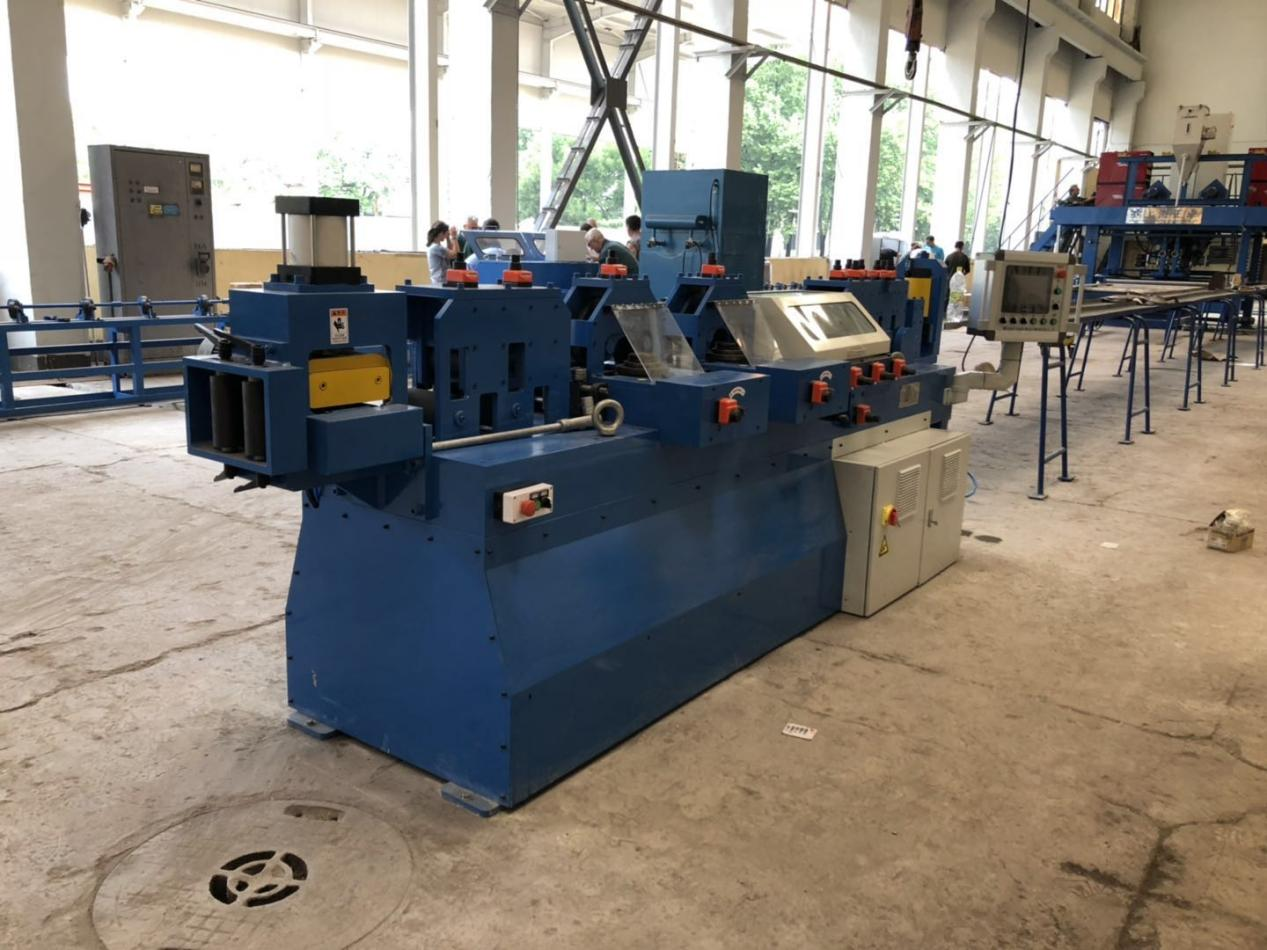
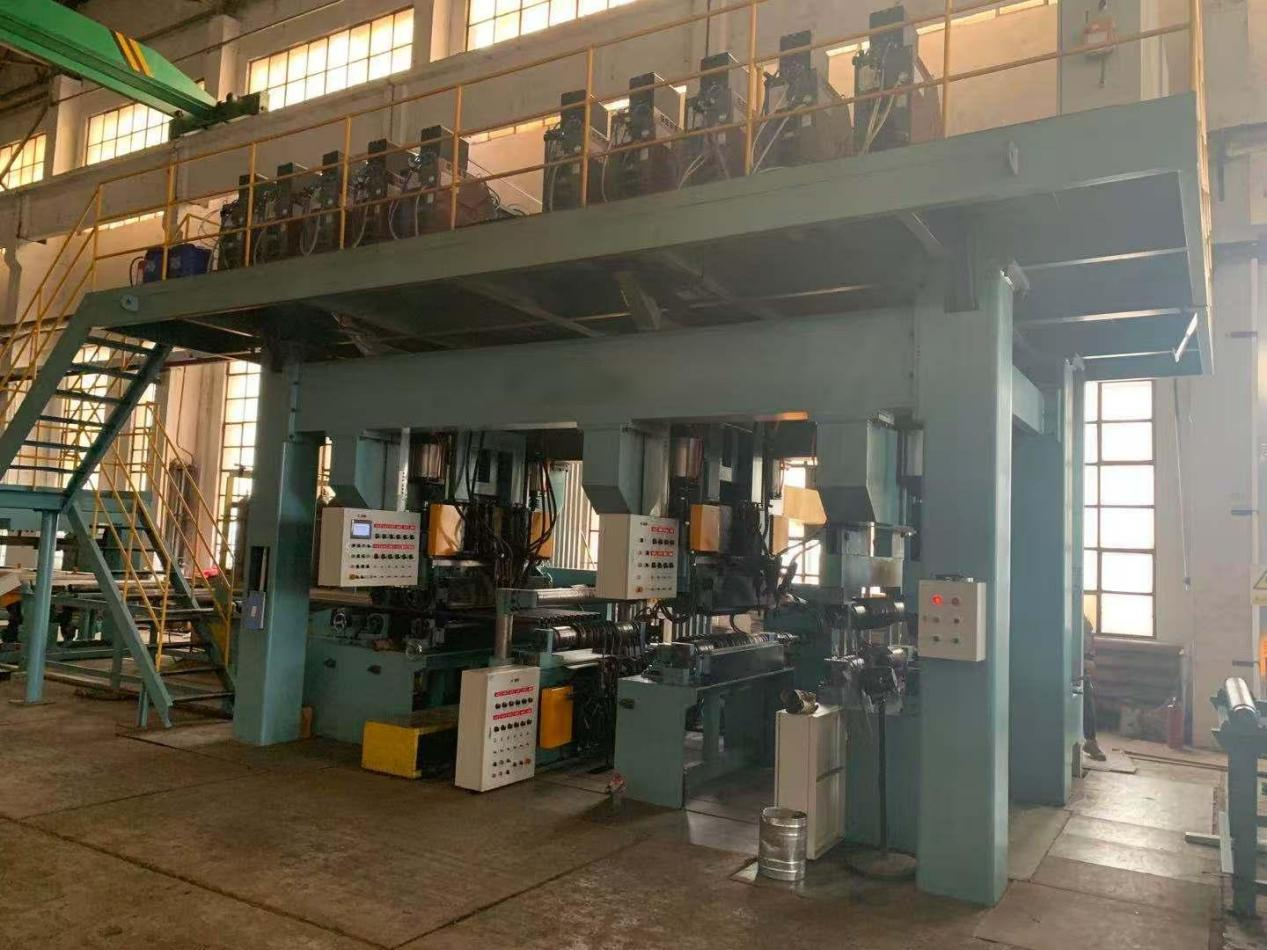
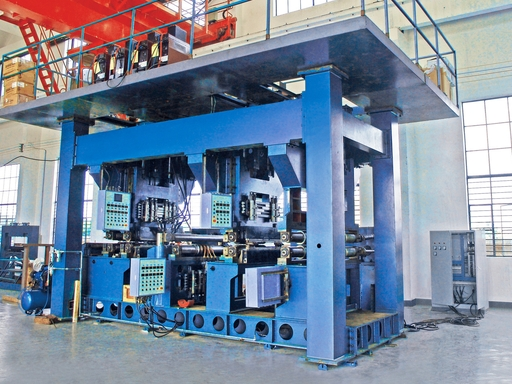
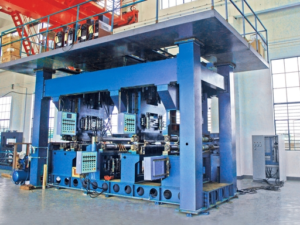
The Membrane Panel Welding Machine is a high-precision automated welding system specifically developed for membrane panel fabrication, integrating intelligent control technology, stable operational performance, and flexible customization capabilities—core characteristics that set it apart in industrial applications. Simply put, it is the preferred equipment for businesses seeking reliable, efficient welding, particularly in fields such as boiler membrane wall manufacturing, heat exchanger production, and sandwich panel processing, where strict welding standards are non-negotiable.
From a technical perspective, this equipment effectively addresses the long-standing industry pain points associated with traditional manual welding, including low production efficiency, unstable weld quality, high labor input, and excessive defect rates. Since 1996, we have supplied this equipment to over 100 domestic customers; starting in 2008, it has been exported to India, the USA, Russia, and several Southeast Asian countries, earning widespread recognition in the global market for its reliable performance and cost-effectiveness. Whether you require standard equipment to meet basic production demands or customized solutions for specific scenarios, this machine delivers a comprehensive one-stop welding service, assisting enterprises in improving production efficiency, reducing operational costs, and maintaining consistent product quality.
Multi-Torch SAW Process
The core technical advantage of the Membrane Panel Welding Machine lies in its advanced Multi-Torch Submerged Arc Welding (SAW) process, which is academically proven to outperform traditional MIG/MAG welding and manual welding in terms of efficiency, quality stability, and cost control. In practical application, the process adopts 2-6 independently controlled welding torches to perform simultaneous welding operations, which not only shortens the welding cycle significantly but also ensures uniform weld formation and sufficient penetration depth—key factors for ensuring the durability of membrane panels. From a professional standpoint, the SAW process uses granular flux to cover the welding arc, which not only eliminates light pollution and reduces the demand for complex personal protective equipment (PPE) but also avoids welding spatter and slag accumulation.
Thereby minimizing rework costs and improving overall production efficiency. This makes it the optimal welding process for large-scale membrane panel manufacturing. Key technical parameters of this process include: ultra-high deposition rates (≥28 kg/h per torch) supported by 4×Lincoln Powerwave® AC/DC twin-wire SAW systems, stepless welding speed adjustment (400–1200 mm/min) adaptable to panel thicknesses of 3–12 mm, and auto-seam tracking with ±0.5 mm precision. Compared with MIG/MAG welding, the SAW process offers deeper weld penetration (3–5 mm vs. 1–1.5 mm), better weld surface quality, recyclable flux (reducing material waste), and significantly lower die costs (USD 500 vs. USD 20,000 for MIG/MAG), fully demonstrating its technical superiority in industrial production scenarios.
Models & Specifications
To cater to the diverse needs of different industries and production scales, we offer a full range of standard models and personalized customization solutions, as we recognize that each business has unique requirements and avoid a one-size-fits-all approach. The standard model features a 1600 mm working width and 4 welding torches, the most popular configuration among our customers, thanks to its balanced performance, cost-effectiveness, and ease of transportation.
For customers with special production requirements, we provide flexible customization options, including an extended working width (up to 2500 mm), 2–6 welding torches, hybrid SAW+MIG/MAG welding processes, and automated upgrades such as loading robots and AI vision inspection systems. The following parameter table details the technical indicators of standard and popular customized models, offering a clear reference for your purchasing decision:
| Parameter | Standard Model (4-Torch SAW) | Customized Model (6-Torch SAW) | Customized Model (Hybrid SAW+MAG) |
| Working Width | 1600 mm | 2500 mm (max) | 1600–2500 mm (optional) |
| Number of Welding Torches | 4 | 6 | 4 (SAW) + 2 (MAG) |
| Welding Process | Twin-Wire SAW | Twin-Wire SAW | SAW + MIG/MAG |
| Panel Thickness | 3–12 mm | 3–16 mm | 3–16 mm |
| Tube Diameter | 22–89 mm | 22–108 mm | 22–108 mm |
| Wire Diameter | 2.4/3.2 mm (optional) | 2.4/3.2 mm (optional) | 1.6–3.2 mm (optional) |
| Power Capacity | 4×650 A (100% duty cycle) | 6×650 A (100% duty cycle) | 4×650 A (SAW) + 2×500 A (MAG) |
| Air Pressure | 0.6 MPa, 200 L/min | 0.6 MPa, 300 L/min | 0.6–0.8 MPa, 300 L/min |
| Control System | Siemens Simatic HMI Touch Screen | Siemens Simatic HMI Touch Screen | Siemens Simatic HMI Touch Screen + PLC |
| Power Supply | 380V/440V, 50/60Hz | 380V/440V, 50/60Hz | 380V/440V, 50/60Hz |
Production Speed & Capacity
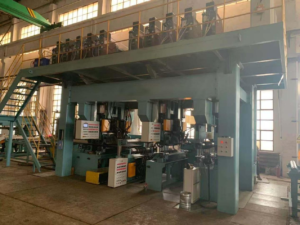
The Membrane Panel Welding Machine is designed for high-productivity manufacturing, with production speed and capacity significantly higher than those of manual welding and single-torch welding equipment—a key advantage highly recognized by our customers. In actual production, the standard 4-torch SAW model can achieve a welding speed of 0.8–1.5 m/min, with a maximum production capacity of 8.8 m per minute under optimal operating conditions. The customized 6-torch model further boosts efficiency, reaching a welding speed of 1.2–2.0 m/min. From a data perspective, compared to manual welding, this machine increases production efficiency by 400% and reduces labor costs by 70%; additionally.
It only requires one operator per shift to manage multiple torches, minimizing human intervention and operational errors, thus ensuring stable and consistent production quality. The machine’s production capacity is flexible and adjustable based on material specifications and welding requirements: for standard membrane panels (1600 mm width, 3–10 mm thickness), the daily production capacity can reach 800–1200 square meters; for large-width customized panels (2500 mm width), the daily production capacity is 500–800 square meters. Additionally, the stepless speed adjustment function allows operators to optimize welding speed based on panel thickness and material type (carbon steel, stainless steel, or alloys), balancing production efficiency and weld quality. The built-in flux recovery system (with a 260-liter storage capacity and preheating function) can reduce material waste by 15–20%, further enhancing production economics.
Applications
Also with its stable operational performance and versatile configurations, the Membrane Panel Welding Machine is widely used in various industrial fields that require high-precision, high-durability membrane panels. We can break down its main application areas as follows:
First, the Boiler and Power Industry:
Also it is primarily used for fabricating boiler membrane walls and heat exchanger panels. These products demand strict weld quality and sealing performance to ensure the safe, efficient operation of power plants, and the machine’s deep weld penetration and consistent quality fully meet the industry’s rigorous technical standards. Second, the Construction and Cold Storage Industry: It is applied to the production of sandwich panels, cold storage walls, and sound insulation panels. Also the machine’s high efficiency and uniform weld formation ensure the durability and thermal insulation performance of the panels, making it suitable for large-scale construction projects.
Third: The Automotive and Electronic Industry:
Also it is used for welding membrane panels in automotive components and electronic equipment, such as vehicle-mounted pressure sensors and industrial sensors. Also the machine’s precision welding technology prevents product deformation and pollution, meeting the high standards of these industries.
Fourth, the Petrochemical and Metallurgical Industry:
Also it is utilized to fabricate corrosion-resistant membrane panels for petrochemical equipment and metallurgical furnaces. The machine’s customizable welding processes and high-strength structural design enable it to adapt to the harsh working environments of these industries.
Fifth, the Medical Equipment Industry:
Also used for welding micro membrane panels in medical sensors. The machine adopts pollution-free, high-precision welding technology, complying with the sterility and biocompatibility requirements of medical equipment.
FAQs
Q1: What makes the Multi-Torch SAW process superior to other welding methods?
A1: Simply put, the Multi-Torch SAW process has three core advantages supported by academic research and practical application. First, it is highly efficient: multiple torches operate simultaneously, increasing production efficiency by 400% compared to manual welding. Second, it ensures high quality: auto-seam tracking and flux protection achieve deep weld penetration (3–5 mm), uniform welds, and minimal rework. Third, it is cost-effective: recyclable flux and low die costs (only USD 500) reduce material waste and operational expenses, which is much lower than the USD 20,000 die cost required for MIG/MAG welding.
Q2: Can the machine be customized to meet specific production needs?
A2: Absolutely, as we understand that each business has unique requirements, we offer fully customized solutions. You can customize the working width (up to 2500 mm), the number of welding torches (2–6), the welding process (SAW, MAG, or hybrid SAW+MAG), and add automated upgrades such as 500 kg payload loading robots, AI vision inspection, and MES-integrated digital dashboards for production analytics. We will tailor the machine to your material specifications, production capacity, and budget requirements.
Q3: What skill level is required for operators to use the machine?
A3: Operating this machine is straightforward. It is equipped with an intelligent Siemens Simatic HMI touch screen, featuring 50+ preloaded welding profiles for quick setup. Operators only need basic training to master the machine—no professional welding experience is required. Moreover, each machine only requires one operator per shift, greatly reducing labor costs and reliance on skilled workers.
Q4: What is the machine’s maintenance cycle and maintenance method?
A4: From a professional maintenance perspective, the machine’s standard maintenance cycle is 6 months for routine maintenance. (including cleaning flux residues and inspecting wire feeding components). And 12 months for major maintenance (including checking linear guide rails, hydraulic clamping systems, and power sources). We provide a detailed maintenance manual and online technical support. Our after-sales team can also provide on-site maintenance services if needed. In addition, the machine’s modular design and high-quality components. (such as Hiwin C3-grade linear guide rails) ensure low maintenance requirements and a long service life.
Q5: What materials can the machine weld?
A5: The machine is suitable for welding carbon steel, stainless steel, and various alloys. The main materials used in membrane panel fabrication. In practical application, also it can handle different material thicknesses.(3–16 mm) and tube diameters (22–108 mm), adapting to the diverse needs of different industries. Welding parameters can be adjusted according to the material type to ensure optimal weld quality.
UVP Module
Multi-Torch Layout Diagram:
Also the multi-torch layout diagram clearly shows the arrangement and working principle of the welding torches (2–6 torches available). It displays the independent movement range of each torch (100 mm vertical stroke, 40 mm fine-tuning stroke).
Also the distance between torches, and their coordination with the auto-seam tracking system. This helps you better understand the machine’s structure and welding efficiency. If you need the high-resolution layout diagram, please contact our sales team.
Reviews
There are no reviews yet.